Key Fob & Remote Programming: What the Process Actually Involves
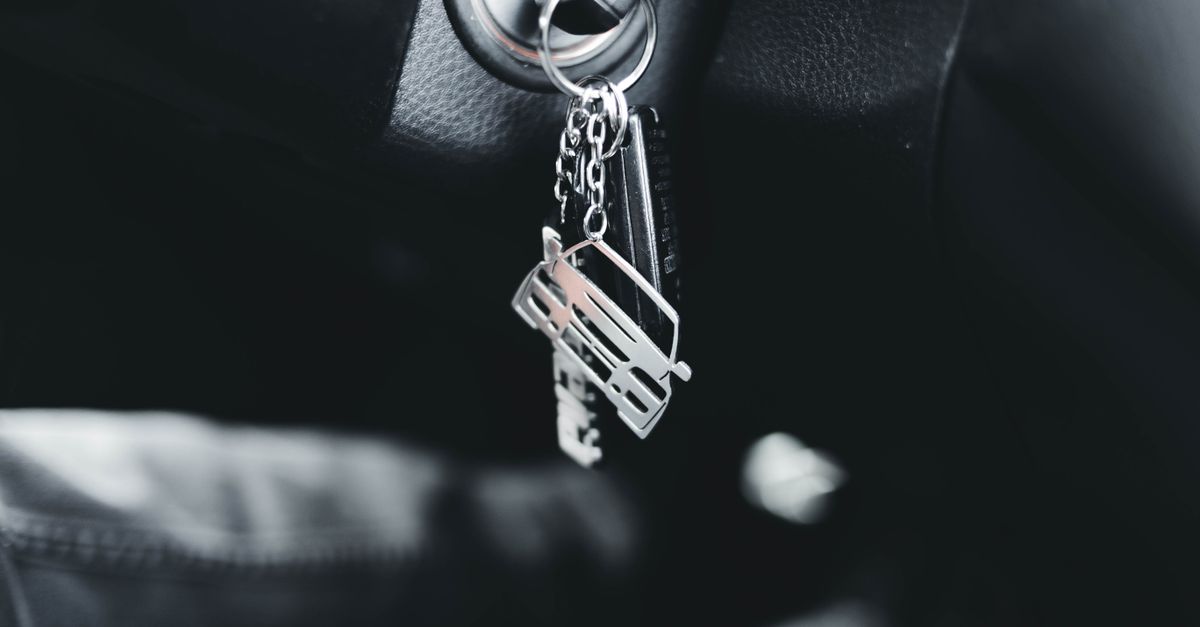
A key fob is far more than a plastic button — it contains a micro-chip that communicates with your vehicle's immobilizer or body control module using an encrypted signal. When a fob is new, lost, or damaged, that pairing must be re-established through a programming sequence specific to the vehicle's make, model, and year. Some vehicles allow a DIY 'ignition dance' for basic remotes, but the overwhelming majority of post-2010 models — including many Hondas, Toyotas, BMWs, GM vehicles, and Fords — require dealer-level OBD-II diagnostic equipment to complete the link. Our technicians use exactly that kind of professional hardware, updated regularly for new model coverage, so your fob is programmed to manufacturer specifications right in your driveway or parking space.
The process typically involves reading existing key data from the vehicle's ECU, cutting a new blade if a physical key is also needed, loading the transponder chip, and then confirming the signal handshake between the fob and the car. For push-to-start proximity keys, the sequence also registers the key's unique ID so the start button responds correctly. We test everything — lock, unlock, trunk release, and ignition recognition — before we consider the job done. If you need multiple fobs programmed at the same visit (a smart move for spares), we can handle that in one session.