Ardsley Locksmith Service Team
Local locksmith team
Jun 3, 2026 9 min read
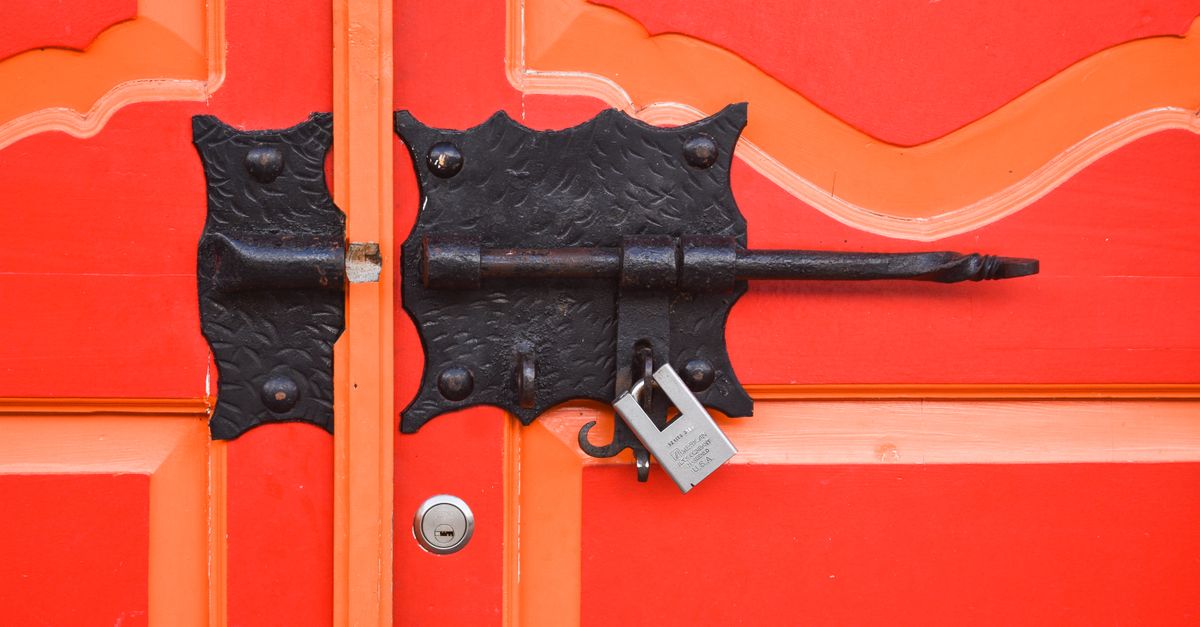
If you've ever stood in a hardware aisle comparing locks — or watched a contractor install whatever happened to be on the truck — you know how confusing it can be to figure out which lock actually belongs on which door. The two most common residential options, the mortise lock and the door knob lock, look nothing alike, work completely differently, and offer very different levels of protection. Choosing the wrong one doesn't just cost you money; it can leave a door genuinely vulnerable.
This guide breaks down exactly how each lock type works, where each one belongs in a home, and how to tell when it's time to upgrade. Whether you're re-keying after a move, hardening a back door, or simply trying to understand what a locksmith installs and why, you'll walk away with a clear picture — and a smarter plan for every door in your house.
## What Is a Mortise Lock — and Why Do Locksmiths Recommend It?
A mortise lock is a lock mechanism that fits inside a deep, rectangular pocket (the 'mortise') cut into the edge of the door itself. The entire lock body — cylinder, latch bolt, deadbolt, and strike plate — is contained within the door's thickness rather than mounted on its surface. This internal design is what sets it apart: because the hardware is recessed and reinforced by the surrounding wood or metal of the door, it's far harder to attack from the outside. A mortise lock set typically includes a full-length faceplate, a multi-point latch and deadbolt combined, and an exterior cylinder that accepts a key. You'll find them on many older New York–area homes — including some of the pre-war colonials along Heatherdell Road in Ardsley — as well as on high-end new construction where security is a priority.
What makes this style especially attractive to security professionals is the combination of mechanical depth and structural integration. Because the lock is seated inside the door, the door frame and the lock body work together to resist kicking, prying, and drilling. A quality mortise lock set also tends to use a longer, sturdier bolt throw than a standard knob lock, making it significantly harder to force. If you want to understand what a locksmith installs when security is the top priority for a front or side entry door, this is almost always the answer.
## Door Knob Lock: Convenient, Common, and Misunderstood
The door knob lock — sometimes called simply a knob lock — is the mechanism most people grew up with. The locking cylinder sits inside the knob itself, and the latch or bolt is operated by turning the knob. They're inexpensive to manufacture, straightforward to install, and perfectly functional for interior doors like bedrooms and bathrooms. A door knob with lock and key is still a sensible choice for a home office door or a laundry room where you want a basic privacy barrier. The issue arises when homeowners rely on a knob lock as the only security layer on an exterior door.
Here's the practical problem: because the cylinder is housed in the knob, not deep inside the door, a knob lock is vulnerable to a specific type of attack — the knob can be snapped or wrenched with enough force, exposing the mechanism. Additionally, many knob locks use a shorter bolt throw and a less robust strike plate than a mortise lock, meaning a determined intruder has more options for forcing entry. It's also worth noting that because the locking mechanism is so widely familiar, information about how to pick a door knob lock is broadly available online — another reason exterior doors deserve stronger hardware. Knob locks have their place; they're just not a standalone exterior security solution.
## Side-by-Side: Mortise Lock vs. Knob Lock for Every Door in Your Home
Front entry door: A mortise lock is the clear winner here. The structural integration, longer bolt throw, and reinforced strike plate give you the best resistance against forced entry. Many Ardsley homeowners add a surface-mounted deadbolt above a knob lock as a halfway measure, but a properly installed mortise lock set does the work of both in a single, cleaner package. If your front door is original to a home built before the 1970s, there's a reasonable chance a mortise lock is already in place — and if it's working, a professional locksmith can re-key it rather than replace it, preserving the original hardware while updating your security.
Back and side entry doors: These doors are statistically more likely to be the point of forced entry precisely because they're less visible from the street. A mortise lock on a rear entry door is a smart investment. Interior doors — bedrooms, bathrooms, closets — are where a door knob with lock makes complete sense. You're not trying to stop a break-in; you're creating a privacy barrier, and the knob lock is purpose-built for exactly that. Garage entry doors that connect to the house interior deserve the same treatment as an exterior door: at minimum, a solid deadbolt, and ideally a mortise lock if the door construction supports the pocket cut. If you're unsure what your doors can support, call us at (914) 647-8746 — we answer 24/7 and can assess your home's door hardware on the spot.
## What a Professional Locksmith Does During a Lock Upgrade or Installation
A lot of homeowners wonder: what does the locksmith actually do when they show up to install or upgrade a lock? The short answer is that a skilled locksmith does considerably more than swap hardware. For a mortise lock installation, the process involves measuring and cutting the mortise pocket to precise tolerances — too loose and the lock rattles; too tight and it binds. The locksmith then fits the lock body, aligns the cylinder, installs the full-length faceplate flush with the door edge, and positions the strike plate on the door frame with appropriate-length screws that reach the structural framing rather than just the trim. Done correctly, the result is a lock that operates smoothly and resists both mechanical attack and forced entry.
For a knob lock replacement, the work is faster but still requires correct backset measurement, proper alignment, and — crucially — an honest assessment of whether a knob lock alone is appropriate for that door's location and use. A qualified locksmith will tell you when a knob lock isn't enough and walk you through options without overselling. Our team at Ardsley Locksmith handles the full range of residential lock work: new installations, re-keying existing hardware, upgrading strike plates, and advising on what each door actually needs. We're also available for emergency locksmith calls when you're locked out and need access right away — no appointment required.
## Locksmith Costs, Response, and What to Expect When You Call
Two questions we hear constantly: 'How much should a locksmith cost?' and 'What is the average call-out fee for a locksmith?' The honest answer is that pricing depends on several real factors — the type and brand of lock being installed (a Schlage or Kwikset mortise lock set costs more than a basic knob lock), the time of day (evening and weekend calls involve different logistics than a weekday afternoon), travel distance to your location, and the specific labor involved. A simple re-key is a different job than cutting a mortise pocket in a solid-core door. What we can tell you is that we confirm an exact price before any work begins — no surprises after the fact.
As for whether a locksmith can open a locked door: yes, and it's a core part of what we do. When a homeowner is locked out, our process starts with verifying ownership — we'll ask for ID and proof of residence — and then we use professional, non-destructive techniques to regain entry wherever possible. We serve Ardsley and the surrounding Westchester County communities around the clock. Our commercial locksmith services extend to businesses along Ashford Avenue and throughout the Route 9A corridor, covering everything from high-security lock installations to master key systems and access control. If you're weighing a lock upgrade or you're locked out right now, call (914) 647-8746 — we're available 24/7 and will give you a straight answer on what your situation actually needs.
Frequently asked questions
What is a mortise lock, and is it really more secure than a standard knob lock?+
A mortise lock is a lock assembly that sits inside a pocket cut into the door's edge, integrating the mechanism with the door's own structure. This makes it significantly more resistant to forced entry than a surface-mounted knob lock, because there's no exposed hardware to snap or pry and the bolt engages more deeply with the door frame. For exterior doors — especially front and rear entry points — a properly installed mortise lock set offers a higher level of protection than a knob lock used alone.
Can a locksmith open a locked door without damaging it?+
In most cases, yes. Experienced locksmiths use professional, non-destructive entry techniques designed to preserve the lock and door hardware wherever possible. The specific method depends on the lock type — a mortise lock and a door knob lock each require different approaches. We always verify ownership before beginning any lockout service, and we'll let you know upfront if a particular situation requires a technique that may affect the hardware.
Is it easy to pick a door knob lock, and does that mean I should replace all my knob locks?+
Knob locks are generally considered easier to compromise than mortise locks, both through picking and through physical force. That said, replacing every knob lock in your home isn't necessarily the answer — interior doors used for privacy (bedrooms, bathrooms) are fine with knob locks. The priority is making sure your exterior doors have stronger hardware. If your front or rear door relies only on a knob lock for security, upgrading to a mortise lock or adding a proper deadbolt is a worthwhile investment worth discussing with a professional locksmith.
How do I know if my door can support a mortise lock installation?+
Most solid-wood and solid-core exterior doors have enough thickness and structural integrity to support a mortise pocket, but it's worth having a professional assess the door before any cutting begins. Hollow-core doors, very thin doors, or doors with existing damage may need reinforcement or a different hardware solution. Our team can evaluate your specific doors and recommend the right lock type for each one — just give us a call at (914) 647-8746 and we'll walk you through it.